Are You Grinding Your Teeth?
You Could Benefit From Nightguards
If you wake up with jaw pain, headaches, or sensitive teeth, you might be grinding your teeth while you sleep — a condition known as bruxism. While the exact cause isn’t always clear, it’s often related to stress, anxiety, missing teeth, or an uneven bite. Some studies also suggest a connection between bruxism and sleep disorders like sleep apnea.
To protect your smile from the wear and tear of nighttime grinding, we offer custom nightguards. These soft, durable guards fit snugly over your upper or lower teeth to create a barrier and reduce the pressure of grinding or clenching. Nightguards not only help prevent enamel erosion and tooth fractures, but also relieve strain on your jaw muscles and joints, helping you sleep more comfortably.
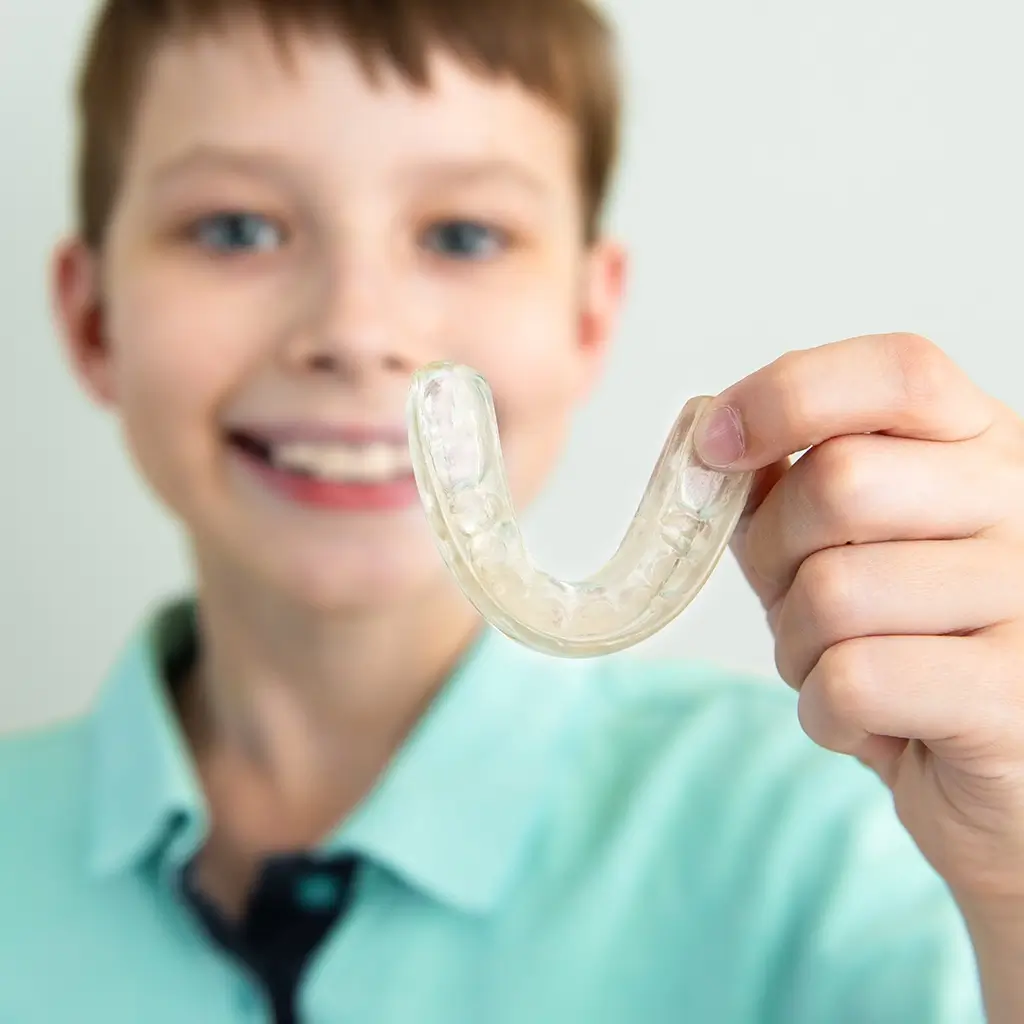
If you’ve noticed signs of bruxism or have been told you grind your teeth, ask us about getting fitted for a nightguard. It’s a simple step that can make a big difference for your long-term dental health.
Nightguards are designed to cushion your teeth and jaw from the effects of nighttime grinding and clenching. Made from a soft, durable rubber material, they prevent tooth wear and help absorb the force of your bite, easing tension that can lead to jaw pain, headaches, and sore facial muscles.
Not every case of bruxism requires treatment. Mild clenching without symptoms may not pose an issue. But when grinding becomes frequent or leads to discomfort, a professionally made nightguard is often the most effective solution. Custom nightguards are shaped to fit your mouth perfectly, providing maximum comfort and protection while you sleep.
Procedure Overview
Bruxism Prevention
Some people clench their teeth throughout the day without realizing it. Once this habit is pointed out, you may be able to break it while awake — since wearing a nightguard during the day isn’t practical for most. Try building awareness by setting reminders on your phone or placing notes in common areas. Each time you see one, check in with your jaw. Your lips should be closed, but your teeth should not be touching.
If you think you may be clenching or grinding in your sleep, talk to us. Even if you are not experiencing pain or sensitivity, we can often spot the signs during your exam. Catching it early can prevent long-term damage and discomfort.